Share:


For World Mental Health Day, 10 advocates from across our network shared their thoughts on mental health and wellbeing in sport, what it means to feel heard and what needs to change.
This year’s theme, Lived Experiences Heard: Real Voices, Real Change, gave us a chance to hear from athletes, coaches and people working to make sport better. We asked about the pressures they have faced and what has helped them. We also explored how sport can better support people to speak openly about their mental health.
Even though their experiences were different, a few ideas came up again and again. Your wellbeing matters just as much as your performance. Being there for someone doesn’t always mean trying to fix what they’re going through. And the people around us can have a huge impact on whether sport feels like another source of pressure or a place where we feel supported, confident and connected.
Here are some of the reflections they shared.
Responses have been lightly edited for length and clarity. If these stories resonate with you, we encourage you to follow us on social media for similar content.
What is something about women’s mental health and wellbeing that you wish people in sport understood better?
Hajar Abulfazl, Tawana Organization founder, athlete and soccer coach: “Being strong doesn’t mean never struggling. It means having a safe environment where you can speak about the struggle. In sport, we talk a lot about performance, discipline, resilience and winning, but behind every athlete is a person carrying pressure, expectations, disappointments and experiences we may never see. As coaches, we often ask, ‘How are you playing?’ We also need to ask, ‘How are you doing?’”
Sinead Farrelly, former professional soccer player: “I wish people understood better that taking care of our wellbeing mentally, emotionally and spiritually is the fuel that creates good physical performances. It’s just as important, if not more important, than taking care of our physical bodies and what we’re outputting on the field or pitch.”
Sydney Moore, D1 & professional volleyball player and founder of Thrive Insights: “Sport can attack your worth or your value in a way. We’re competing with others and we literally have scores, times or rankings telling us whether we’re better or worse. You can have a disappointment in this area of sport, but that doesn’t mean that’s a lower value of you overall as a person.”
Natalie Gutierrez, Los Angeles City Manager, The Center for Healing and Justice Through Sport: “A lot of times athletes base their whole identity off their performance, and that truly affects their mental health. If they can separate their identity from their performance and understand that their value is not based on performance alone, but on how they show up, the teammate they are, the connections they build, their effort and commitment, those are values that sport provides.”
Can you think of a time when you felt truly heard about your mental health or wellbeing? What difference did that make?
Sometimes feeling heard isn’t about someone knowing exactly what to say. It can simply mean knowing someone is there and willing to listen.
Mary Connor, CEO of Common Goal, retired professional soccer player: “One of the most helpful things that my friends do is they ask, ‘Do you want advice? Do you want me to try to solve this with you, or do you just want to be heard?’ Just that little practice of checking in to see what I need really gives me a sense that I’m not alone in whatever I’m carrying and that not everything needs to be fixed.”
Jasmyne Spencer, professional soccer player: “When I was coming back from a knee injury, I couldn’t train with the team fully and had to do a lot of extra fitness on my own. I had one friend who committed to running the extra fitness with me, even though she had trained fully with the team. That was an action that went beyond just the words of ‘How are you today?’ She really took the time to understand what I was battling. It was the first time where I really felt like I wasn’t alone on my journey back to the field.”
Wini Heatley, professional soccer player: “When I finally started to really engage with the psychologists at my disposal and get vulnerable with them, I actually started to feel really heard. It’s those deep, dark parts of you that you’re really scared to share that, after sharing, you find out how normal it is and actually how understandable it is.”
What is one thing sport could do differently to better support women’s mental health and wellbeing?
Listening was a big part of the conversation. But people also talked about what needs to happen after we listen, from changing the way we treat athletes to making sure the right support is actually available.
Kelly Gee, Executive Director of Survivors for Change and former professional hockey player and coach: “When it comes to our girls in sport especially, I think it’s really important that sport as a whole does a better job listening to them and understanding what their needs are, as opposed to just telling them, ‘This is how it’s going to be and this is what you need.’ Their voices have been minimized and overlooked far too often. We need to sit back, listen, observe and do a better job understanding their experiences in sport.”
Fiona Cooper, Senior GRLS Coordinator, Women Win and former professional rugby player: “Women and girls often are dealing with a lot of competing priorities and pressures that add layers of difficulty and challenge mentally for taking part in sport. I think it’s about recognizing those challenges, taking the time to listen to women and girls to understand what they need and then responding with respect and care.”
Alice Tama, STRIDES Coordinator, Moving the Goalposts: “Implementing mental health sessions through peer-to-peer support led by mental health champions within sport, having mental health checks with professionals like psychologists and making sure that if anyone needs help, they can be referred for that help. It’s about creating an environment that supports good mental health for women and girls in sport.”
Sinead Farrelly: “One thing they can always do better is remove athletes off the pedestal. They are just people like everyone else. They’re human beings who have needs, emotions, problems and issues. When we put people on pedestals, we have expectations of them that are unfair and sometimes that can lead to disregarding the actual person.”
If a young person was going through something similar, what would you want them to hear?
We also asked what they would want a young person to know when things feel difficult.
Hajar Abulfazl: “Don’t be afraid to ask questions, seek different perspectives and find more than one person you trust. One coach, one teacher or one person doesn’t have to have all the answers. If something doesn’t feel right, keep asking, keep learning and find people who will listen and support you. You don’t have to go through difficult moments alone.”
Jasmyne Spencer: “Mental resilience is a skill. It’s something that you can practice, train and work on, and really develop if you invest time in it. Reach out to parents, coaches, guardians, mentors or anyone who can help you identify the tools that help you bounce back. Train it like you would your sport.”
Sydney Moore: “What I’m most proud of in my career is that I kept going, that I did it scared anyway. Keep seeking information, keep seeking resources, keep practicing and keep showing up. Maybe you have to slow down. Maybe you have to take a short pause or redirect how you’re going to do it. Just keep going.”
Keep listening
There isn’t one right way to support someone’s mental health. But these reflections show some of the things that can help: seeing the person beyond their performance, making space for honest conversations, having people you can trust and listening when someone tells you what they need.
World Mental Health Day gave us a reason to start these conversations. They shouldn’t stop there.
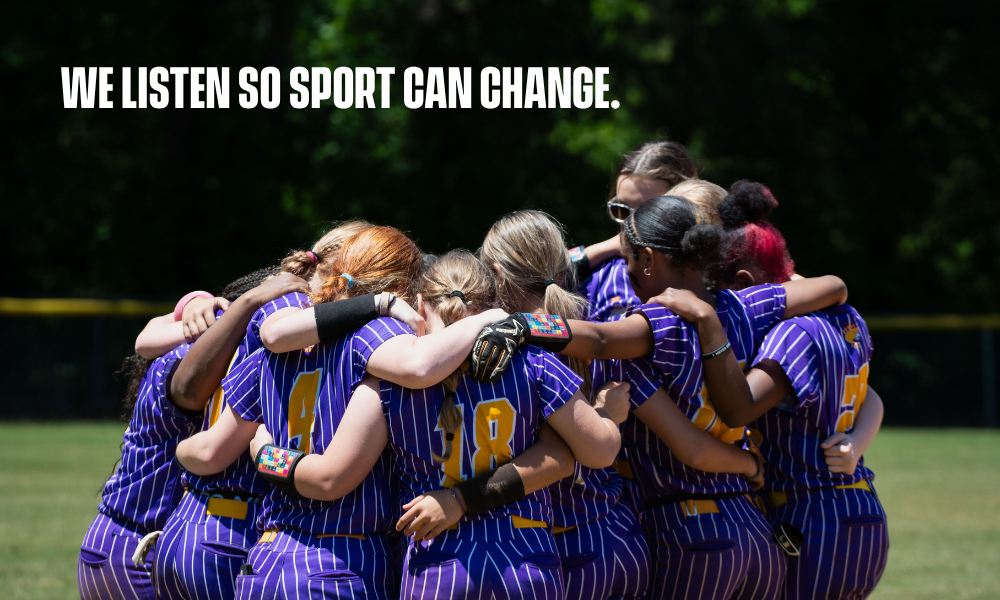
We listen so sport can change.
Share: