

Share:


For children with muscular diseases, finding their sport can require the right equipment, expertise and opportunities to try. A Dutch organization is helping more young people discover what’s possible.
Formula 1 is best known for high-speed action on the racetrack. But during this year’s Dutch Grand Prix, the global motorsport championship also put its support behind the work of a local nonprofit.
Dutch organization Spieren voor Spieren received the F1 Allwyn Global Community Award during race weekend in Zandvoort, bringing €100,000 in funding to its work to create opportunities for children with muscular diseases and their families. The award is part of a global initiative recognizing community projects in Formula 1 host countries.
According to Dutch charity regulator CBF, approximately 20,000 children in the Netherlands live with muscular diseases. Alongside supporting research, diagnosis and treatment, Spieren voor Spieren invests in opportunities for children to participate in sport and physical activity, with a growing emphasis on making movement and play more accessible.
For children with muscular diseases, however, participating in sport can require more individualized support — from understanding which activities are suitable to adapting movement around a child’s abilities and everyday life.
At the Spieren voor Spieren Children’s Center at Wilhelmina Children’s Hospital, specialists work with children and families to provide that. The center includes facilities that help assess how children move, recover and participate in physical activity, allowing teams to tailor their recommendations.
That support is also informed by ongoing work at UMC Utrecht to develop personalized training programs and better understand how movement can help children stay active and participate more fully in everyday life.
The €100,000 award is already being put to use. Funding supported the 2026 Spieren voor Spieren Day, where 600 children and family members had the chance to try different sports in an inclusive setting.
They can try different sports, discover their potential and find the sports that really suit them. They can make friends, connect with peers and share experiences.
— Monique Maks, Director, Spieren voor Spieren
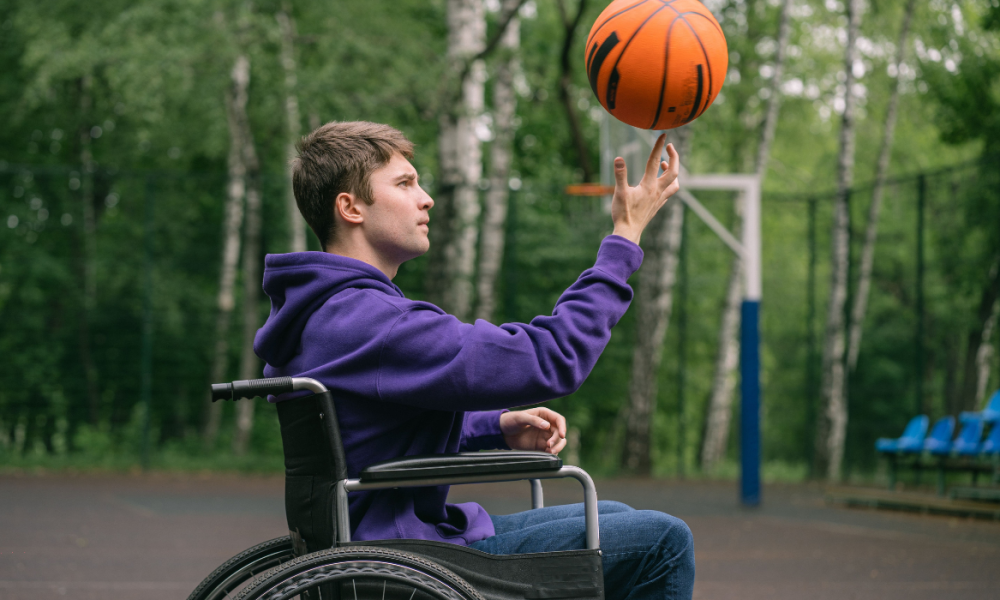
For children with muscular diseases, that chance to experiment can be especially important.
Finding the right sport may take time, specialist guidance and access to adapted equipment — resources that traditional youth sport programs do not always provide. By creating space for children to try different activities without having to commit to one from the outset, Spieren voor Spieren is addressing a practical barrier to participation that can otherwise be easy to overlook.
The relationship between sport and the organization runs deep. Founded with support from leaders in Dutch sport and business, its long-term strategy now identifies sport and movement as a dedicated area of focus alongside its work in care, treatment and diagnosis.
There is also something notable about the role Formula 1 plays here. Rather than directing the funding toward motorsport programs or tying it to a sport-specific participation goal, the award supports a locally identified need and allows Spieren voor Spieren to apply its own expertise. For other sports organizations, that may be the more transferable lesson: meaningful support does not always have to mirror the sport providing it.
Formula 1 provided the platform. The lasting impact happens elsewhere.
For Spieren voor Spieren, the value of the award lies in giving more children the time and support to experiment, find activities that work for their bodies and meet others who understand their experiences. The funding may have arrived during a Grand Prix weekend, but its impact will be measured in the opportunities that remain long after the cars leave Zandvoort.
Share:


